Supplements and Medication: Interactions and Questions to Ask
A practical guide to discussing vitamins, minerals and herbal products with your doctor or pharmacist before combining them with prescription or over-the-counter medicines.
In this guide
Learn how supplements can interact with prescription and over-the-counter medicines, with practical questions about zinc, ginkgo, vitamin E and safety.
Educational information; evidence and safety limitations are discussed in the article.Should you check supplement and medication interactions?
Yes. Tell your doctor and pharmacist about every supplement, vitamin, mineral, herb and over-the-counter product you use. Some supplements can change medicine absorption or effects, while others may increase side effects such as bleeding. The exact risk depends on the product, dose, medicine and your health history.
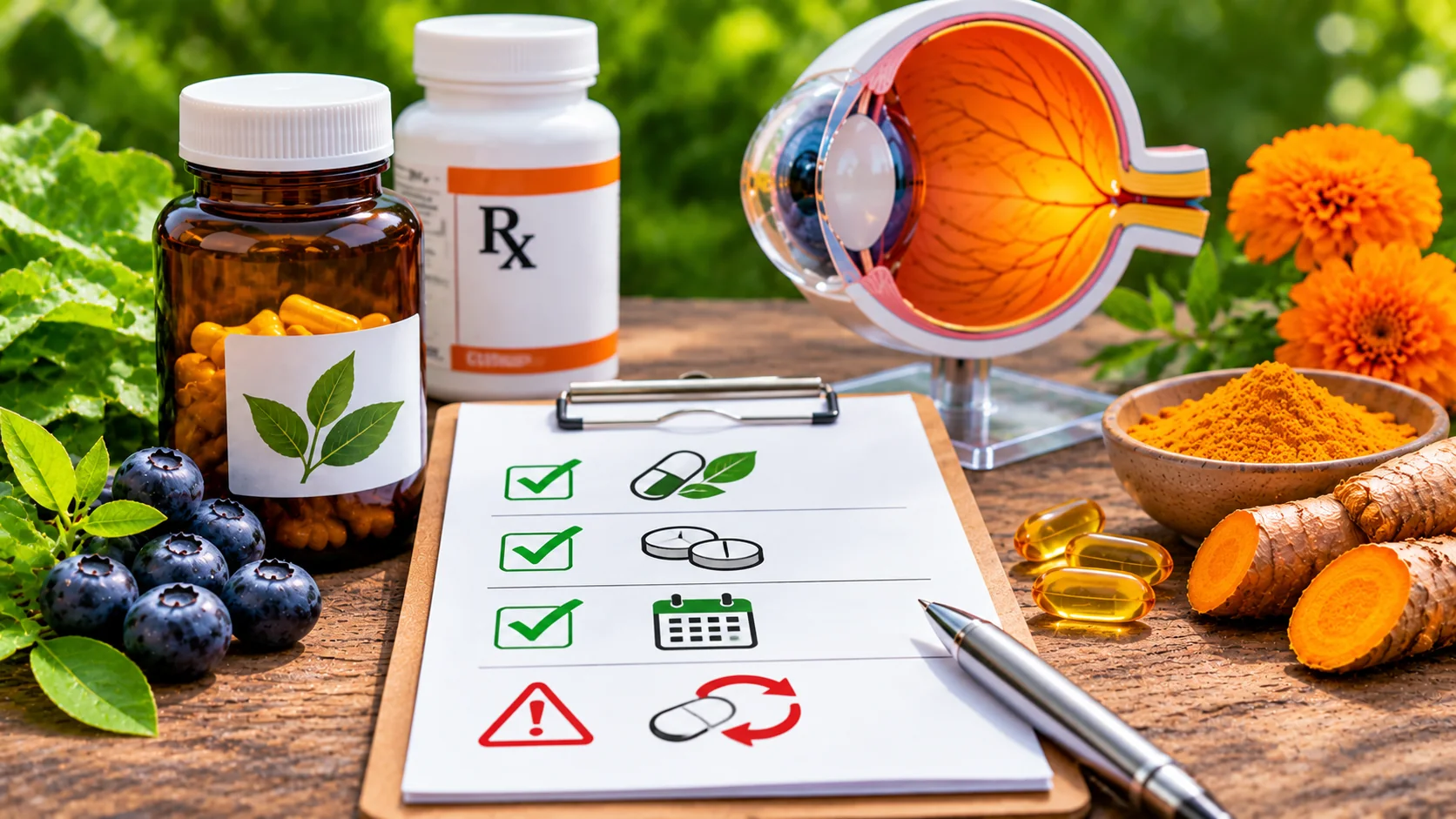
Medication review checklist
| What to disclose | Examples to discuss | Why a review matters |
|---|---|---|
| Prescription medicines | Anticoagulants, antiplatelet drugs and chronic prescriptions. | Some supplements may affect bleeding risk or medicine handling. |
| Over-the-counter products | Pain relievers, cold remedies and other OTC medicines. | Combination use can add ingredients or risks. |
| Other supplements | Vitamins, minerals, herbs and multivitamins. | Duplicate ingredients can increase total intake. |
| Upcoming procedures | Surgery, dental procedures or planned interventions. | Clinicians may advise changing some supplements beforehand. |
Why supplement and medication interactions matter
Dietary supplements can affect how a medicine is absorbed, processed or removed from the body. An interaction may make a medicine stronger, increase side effects, reduce its effect or create a new risk. The interaction can involve a vitamin, mineral, botanical, combination formula or an over-the-counter product. “Natural” does not mean interaction-free.
The risk is not limited to people taking many prescriptions. A person may use a daily medicine, an occasional pain reliever, an antacid, a sleep aid and several supplements without considering them one combined regimen. A clinician or pharmacist needs the complete list to assess possible overlap. Do not assume that a supplement is safe because it is sold without a prescription or because a friend takes it without a problem.
This guide explains general questions to raise with a healthcare professional. It is not an interaction checker and cannot determine whether a particular combination is safe for an individual. The exact medicine, dose, supplement formulation, medical history and timing can all matter.
How interactions can happen
Some supplements change absorption in the digestive tract. Minerals such as zinc can bind with certain medicines and reduce how much of the medicine is absorbed when they are taken together. The result may be a lower medicine level and reduced effect. A pharmacist can advise whether separation is needed and what interval is appropriate for the exact drug and supplement.
Other supplements can affect enzymes or transport systems involved in drug metabolism. This may change how quickly a medicine is broken down or cleared. Some supplements may add to a medicine’s effects. For example, combining substances that influence bleeding can increase concern about bruising or bleeding. Interactions can also involve blood pressure, blood glucose, sedation, heart rhythm or the body's response to anesthesia.
The evidence is not equally strong for every proposed interaction. Some combinations have documented clinical evidence; others are based on limited studies, case reports or theoretical mechanisms. A responsible guide distinguishes established warnings from possibilities that need professional assessment. Do not treat every theoretical interaction as a certainty, but do not ignore a serious warning because evidence is incomplete.
Tell your healthcare team about every product you take
Before starting a supplement, provide your doctor or pharmacist with a complete list of prescription medicines, over-the-counter medicines, vitamins, minerals, herbal products, powders, teas and topical products. Include the brand, exact product name, serving size, amount, frequency and reason for use. If you do not know the dose, bring the bottle or a clear photograph of the label.
Mention products you take only occasionally. An over-the-counter pain reliever, antacid, cold medicine or sleep product may still matter. Include recent changes, products you stopped and any adverse reactions you have experienced. If you are preparing for surgery or a procedure, tell the surgical and anesthesia teams about supplements well in advance. Do not decide on your own which products to stop or when to restart them; follow the care team's instructions.
Keep the list updated after a new prescription, dose change, diagnosis, hospital visit or supplement purchase. Bring it to routine appointments and pharmacy consultations. This simple record is more reliable than trying to remember ingredient names during a short appointment.
Blood thinners, antiplatelet medicines and bleeding risk
Some supplements may affect clotting or platelet activity. FDA consumer guidance specifically warns about combinations involving ginkgo, high-dose vitamin E, warfarin and aspirin. Taking products with overlapping effects may increase the potential for internal bleeding or other serious complications. The exact risk depends on the medicine, dose, product preparation and individual circumstances.
Ginkgo leaf extracts have been associated with increased bleeding risk in people taking anticoagulant medicines such as warfarin. NIH Office of Dietary Supplements information also notes that vitamin E supplements can interact with anticoagulant and antiplatelet medicines, particularly at higher supplemental intakes. A product containing more than one ingredient with a potential bleeding effect deserves careful review rather than casual self-experimentation.
Do not stop an anticoagulant, aspirin prescribed for a medical reason or any other prescribed treatment because a supplement website mentions an interaction. Contact the prescribing clinician or pharmacist. Seek urgent medical help for signs of serious bleeding, such as vomiting blood, black or tarry stools, severe unexplained bruising, uncontrolled bleeding, sudden severe headache or weakness. This list is not exhaustive.
Zinc and certain antibiotics or penicillamine
Zinc can interact with some medicines in the digestive tract. NIH Office of Dietary Supplements describes interactions with quinolone antibiotics and tetracycline antibiotics. Taking zinc at the same time can reduce absorption of the antibiotic and the mineral. The fact sheet provides timing examples to minimize this interaction, but the correct instructions depend on the specific antibiotic and prescription.
Zinc can also reduce the absorption and action of penicillamine, a medicine used for conditions including rheumatoid arthritis and Wilson disease. People taking penicillamine should discuss zinc supplements with their healthcare professional. Some diuretics can increase zinc loss in urine, which may affect zinc status over time.
Do not copy a timing schedule from a general article without checking the exact drug. Different antibiotics have different instructions, and other minerals or medicines may also be involved. Ask the pharmacist to review the product label and provide a schedule that fits your prescription. If the supplement label does not clearly state the amount of elemental zinc, ask the manufacturer or pharmacist to clarify it.
Vitamin E and other nutrient supplements
Vitamin E is a fat-soluble nutrient found in foods and supplements. NIH notes that supplemental vitamin E can interact with anticoagulant and antiplatelet medicines. High supplemental intakes have also been associated with an increased risk of hemorrhagic stroke in some clinical trials. These findings do not mean that ordinary food sources of vitamin E create the same risk, and they do not establish the risk of every low-dose combination product.
The amount and form matter. A product label may use milligrams or international units, and conversions depend on the form of vitamin E. Do not compare amounts by guessing or assume that a small-looking number is correct if the unit is unclear. In the iGenics research file, the seller label transcription contains an unresolved vitamin E amount discrepancy. That uncertainty must be resolved from a current, legible label before any dose-specific safety conclusion is made.
Other vitamins and minerals can also interact with medicines or duplicate amounts from multiple products. Taking several products that contain the same nutrient may raise total intake without the consumer noticing. Ask a healthcare professional to review the combined amount from supplements, fortified foods and medicines rather than assessing each bottle in isolation.
Botanical blends are not automatically safer
Herbal ingredients can have pharmacological effects. Ginkgo is one example with a recognized concern about bleeding when combined with anticoagulants. Other botanicals may affect drug metabolism, sedation, blood pressure or blood glucose. The evidence varies by plant, preparation and medicine. A botanical powder is not necessarily interchangeable with a standardized extract, and the amount of an active constituent may not be disclosed on the label.
Multi-ingredient blends create an additional challenge: several ingredients may contribute to the same possible effect, and it may be difficult to identify which ingredient caused a reaction. A product may also change its formula or extract source over time. If the label gives only a combined blend weight, the healthcare professional may not have enough information to assess individual ingredient exposure.
For an iGenics-style formula, the presence of ginkgo, turmeric, black pepper extract, vitamins, zinc and other ingredients is a reason to review the entire label with a pharmacist, not to assume that each ingredient has been proven safe in combination with every medicine. Do not infer a precise interaction from an ingredient name alone. The actual dose, preparation and medication list matter.
Pregnancy, breastfeeding, surgery and chronic conditions
People who are pregnant, planning pregnancy or breastfeeding should consult a qualified healthcare professional before using a multi-ingredient supplement. Safety information may be limited for botanical ingredients, and a product marketed for adults generally should not be assumed appropriate during pregnancy or lactation. Do not rely on testimonials or broad “natural” claims to answer these questions.
Before surgery, tell the surgeon, anesthesiologist and other clinicians about all supplements. Some products can affect bleeding, blood pressure, heart rate or anesthesia-related medicines. The care team may recommend stopping certain products before a procedure, but the timing and decision must come from the team responsible for the procedure and the patient's care.
People with chronic conditions, including bleeding disorders, liver or kidney disease, diabetes or cardiovascular disease, should ask for individualized advice. The condition itself, prescribed medicines and laboratory monitoring can change the risk assessment. Do not use a general supplement article to change a prescribed treatment plan.
What to do if you suspect an interaction
If you develop a new symptom after starting a supplement or combining it with a medicine, contact a healthcare professional promptly. Describe when you started the product, the serving taken, when the medicine was taken, when symptoms began and whether anything changed. Keep the package, lot number and purchase details. Do not take extra doses to compensate for a suspected reduction in medicine effect.
For severe symptoms—such as difficulty breathing, fainting, severe allergic reaction, signs of stroke, major bleeding, chest pain or sudden vision loss—seek emergency medical care. Do not wait for an email response from a seller or supplement company. If a clinician advises stopping or changing a product, follow that advice and ask whether any monitoring is needed.
In the United States, consumers and healthcare professionals can report serious supplement-related adverse events through FDA reporting channels. A report does not prove that the product caused the event, but it can help regulators identify potential safety signals. Keep factual notes and avoid making unsupported public claims about cause or intent.
A practical medication and supplement checklist
Before a new supplement is started, write down every prescription and nonprescription medicine, the dose and schedule, and every supplement with its full label. Include occasional medicines and products used for sleep, pain, digestion or energy. Note allergies, medical conditions, pregnancy or breastfeeding status, and any upcoming procedure. Bring this information to the pharmacist or clinician.
Ask specific questions: Does this supplement interact with any of my medicines? Could it change absorption or drug levels? Is there a timing separation requirement? Does it increase bleeding, sedation or blood-pressure risk? Is the dose appropriate given my other products? Should I avoid it before surgery? What symptoms should prompt medical attention? Is there a better-studied alternative or no need for a supplement at all?
Ask the professional to document the plan if the regimen is complex. Update the list whenever a medicine or supplement changes. Never stop a prescribed medicine, change its dose or delay urgent care because of advice from an affiliate website. The safest comparison is the one that considers the person's actual medication list, not a generic ingredient chart.
Information to bring to your pharmacist
- Every prescription and over-the-counter medicine, including occasional-use products.
- All vitamins, minerals, herbs, powders, teas and combination supplements.
- Brand names, full labels, serving sizes, doses and frequency.
- Medical conditions, allergies, pregnancy or breastfeeding status.
- Upcoming surgery or procedures and any recent medicine changes.
Interaction questions to raise with a pharmacist
| Ingredient / category | Potential concern | Practical next step |
|---|---|---|
| Ginkgo | May increase bleeding concern with anticoagulant or antiplatelet medicines. | Provide the exact product and medication list to a clinician. |
| Vitamin E | High supplemental doses may affect bleeding risk. | Review total intake and planned procedures. |
| Zinc | Can reduce absorption of certain antibiotics and penicillamine. | Ask about dose separation and timing. |
| Multi-ingredient blends | Several ingredients can create overlapping or poorly studied interactions. | Review the complete label, not just one featured ingredient. |
This is a discussion aid, not a complete interaction checker or a reason to stop prescribed medication.
FAQs about supplements and medication
Can supplements change how prescription medicines work?
Yes. Some supplements can change a medicine’s absorption, metabolism or excretion, while others may add to side effects. The specific combination should be reviewed by a healthcare professional.
Can I take zinc with antibiotics?
Zinc can reduce absorption of certain quinolone and tetracycline antibiotics when taken together. Ask your pharmacist for the correct timing instructions for your specific prescription.
Can ginkgo interact with blood thinners?
Ginkgo may increase bleeding risk in people taking anticoagulants such as warfarin. Do not combine them without advice from the prescribing clinician or pharmacist.
Can vitamin E increase bleeding risk?
Supplemental vitamin E can interact with anticoagulant and antiplatelet medicines. The risk depends on dose and circumstances, so review the exact product with a healthcare professional.
Should I stop supplements before surgery?
Tell the surgical and anesthesia teams about every supplement. They will advise whether anything should be stopped and when. Do not make that decision on your own.
Does natural mean safe with medication?
No. Natural products can have biological effects and may interact with medicines. A pharmacist can review the exact ingredients and doses.
Should I tell my pharmacist about vitamins and herbal products?
Yes. Share prescription medicines, over-the-counter products, vitamins, minerals, herbal products and occasional-use items. Bring the bottles or clear label photographs.
Can this guide tell me whether my own combination is safe?
No. Individual interaction assessment depends on your exact medicines, doses, health conditions and supplement formulation. Ask your clinician or pharmacist for personalized advice.
Sources and further reading
- FDA: Mixing Medications and Dietary Supplements Can Endanger Your Health
- NCCIH: How Medications and Supplements Can Interact
- NIH ODS: Zinc Fact Sheet
- NIH ODS: Vitamin E Fact Sheet
- NCCIH: Ginkgo—Usefulness and Safety
Sources checked November 12, 2026. Interaction examples are not a complete list. Ask a pharmacist or clinician about your exact regimen.
Related guides
Ginkgo biloba: evidence and safety · Turmeric and black pepper · Vitamins and minerals · iGenics safety considerations