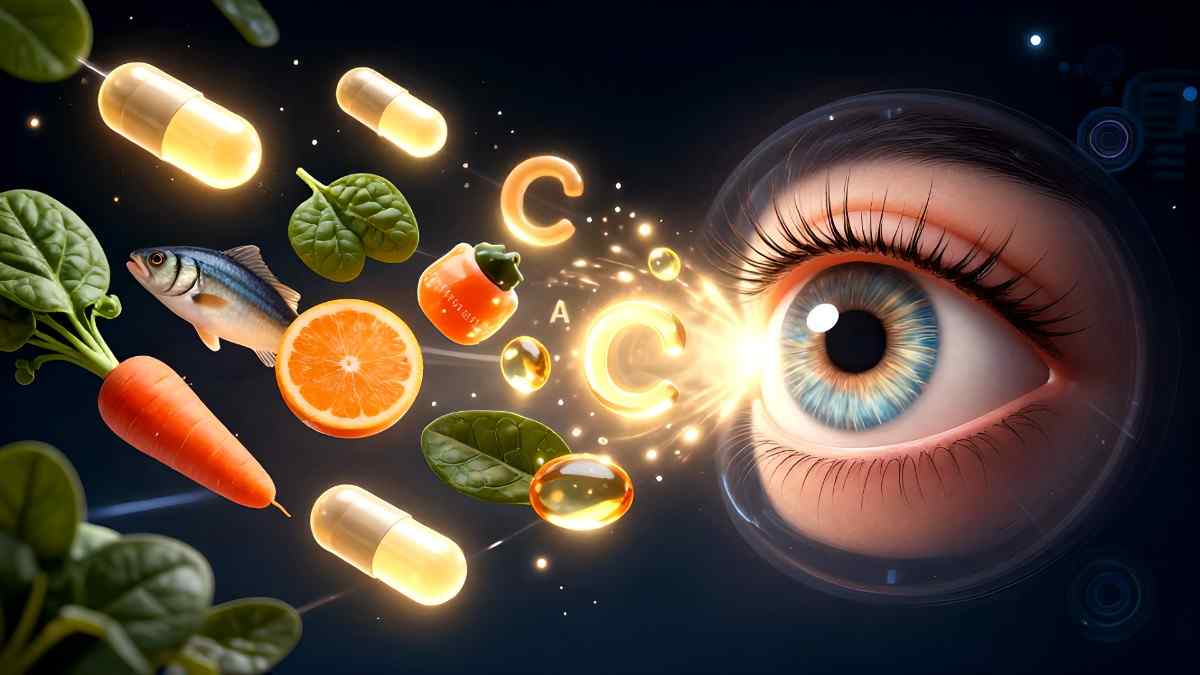
Best Vitamins for Eye Health and Vision Support

Blurry vision, dry eyes, screen fatigue, and trouble seeing at night are becoming increasingly common in today’s digital world. With our lives now dominated by phones, laptops, and artificial lighting, our eyes are under more stress than ever before. The good news is that certain vitamins and nutrients may help support healthy vision, protect the retina, and reduce long-term strain on the eyes.

vitamins for eye health


Fortunately Nutrition genuinely matters here. Certain vitamins and minerals help protect the retina, reduce oxidative stress, support tear production, and lower your risk of age-related eye disease. Nutrients like lutein and zeaxanthin, vitamin A, omega-3 fatty acids, zinc, and vitamins C and E are among the most studied for long-term eye health.

In this guide, you'll learn which nutrients support healthy eyes, which foods to eat, and when supplements may help.

Disclaimer: This article is for informational and educational purposes only and does not replace professional medical advice, diagnosis, or treatment. Always consult an eye doctor or qualified healthcare professional regarding concerns about your vision or eye health.

Why Eye Nutrition Matters for Long-Term Vision

Your eyes are constantly working. Over time, UV exposure, oxidative stress, inflammation, and a poor daily diet quietly damage eye tissues.

Research from the National Eye Institute shows that specific essential nutrients may help support:

Retina function
Macular health
Night vision
Tear production
Lens protection
Blue light defense
Blood circulation inside the eyes

A diet rich in colorful fruits and vegetables, dark green leafy vegetables, and fatty fish like salmon gives your eyes a real nutritional foundation. Certain vitamins and dietary supplements can help fill gaps when your daily diet falls short.

1. Vitamin A: The Essential Nutrient for Night Vision

Vitamin A is one of the most critical nutrients for healthy eyes. It helps the retina convert light into signals your brain can read. Without enough of it, your eyes struggle in low light. This leads to poor night vision and in severe cases, night blindness.

The World Health Organization identifies vitamin A deficiency as one of the leading causes of preventable blindness worldwide. That makes it non-negotiable in any diet for eye health

What Vitamin A Does for Your Eyes

✅ Supports retina function
✅ Helps maintain the cornea
✅ Prevents dry eye symptoms
✅ Improves low-light and night vision
✅ Supports tear production

Best Food Sources for Vitamin A

Carrots, sweet potatoes, spinach, kale, egg yolks, liver, mangoes, red bell peppers.

Should You Take a Vitamin A Supplement?

Most people get enough vitamin A through a balanced diet. If you have digestive disorders or absorption issues, a supplement can help fill the gap. Avoid high doses of fat-soluble vitamins like vitamin A can build up in the body and become toxic.

2. Lutein: Your Eyes' Natural Blue Light Shield

Lutein is a carotenoid antioxidant. It builds up in high concentrations in the retina and macula, the part of your eye responsible for sharp central vision.

Think of lutein as natural built-in sunglasses. It filters harmful blue light before it reaches sensitive retinal cells. Many eye doctors and researchers consider it one of the best nutrients for long-term vision protection. Lutein may also help people dealing with increased light sensitivity.

What Lutein Does for Your Eyes

✅ Protects the retina from damage
✅ Filters blue light from screens and sunlight
✅ Supports macular health
✅ Reduces oxidative stress caused by free radicals
✅ May lower the risk of age-related macular degeneration (AMD)

Studies also suggest lutein supplementation may reduce digital eye strain. This matters if you spend hours a day in front of a screen.

Best Food Sources for Lutein

Kale, spinach, collard greens, broccoli, parsley, egg yolks, green peas.

Recommended Intake: Most eye health studies use 10 mg of lutein daily.

3. Zeaxanthin: Protection for Your Central Retina

Zeaxanthin works alongside lutein. It concentrates in the macula, the very center of your retina and acts as a shield against light-induced oxidative damage.

Together, lutein and zeaxanthin are the two carotenoids that form your macular pigment. Research suggests they may help slow vision loss and support healthy aging eyes.

What Zeaxanthin Does for Your Eyes

✅ Supports sharp central vision
✅ Protects against light and screen damage
✅ Maintains macular pigment density
✅ Supports healthy aging eyes

Best Food Sources for Zeaxanthin

Corn, orange peppers, egg yolks, papaya, kale, spinach, goji berries.

Recommended Intake: Clinical studies commonly use 2 mg of zeaxanthin daily.

4. Omega-3 Fatty Acids Are Important for Dry Eye Relief

Omega-3 fatty acids are important for retinal structure and tear production. DHA — one of the key omega-3s — is a major structural fat inside the retina itself.

If you have dry eye syndrome, omega-3s may be one of the most useful nutrients to add. They help improve tear film stability and reduce inflammation linked to dry eye symptoms.

What Omega-3 Fatty Acids Do for Your Eyes

✅ Supports retina structure
✅ Helps reduce dry eye symptoms
✅ Improves tear quality
✅ May help lower inflammation
✅ Supports long-term visual health

People who spend long hours on screens often report dry, irritated eyes. Getting enough omega-3 and omega-6 through your daily diet or through a dietary supplement may make a real difference in comfort. Excessive screen use may increase the risk of burning eyes and visual fatigue.

Best Food Sources for Omega-3s

Salmon, sardines, tuna, mackerel, chia seeds, flaxseeds, walnuts.

Recommended Intake: Many experts recommend 500–1,000 mg of EPA + DHA daily.

5. Vitamin C: Antioxidant Protection for Your Eyes

Vitamin C is a powerful antioxidant. It helps neutralize free radicals — unstable molecules that damage eye cells over time.

It also supports collagen production. Collagen keeps the cornea and blood vessels inside your eye structurally sound. Research suggests higher vitamin C intake may help reduce the risk of cataracts and slow age-related eye damage.

What Vitamin C Does for Your Eyes

✅ Protects eye blood vessels
✅ Helps guard against cataract formation
✅ Reduces oxidative stress
✅ Supports healthy eye tissues

The AREDS2 study, funded by the National Eye Institute included 500 mg of vitamin C and 400 IU of vitamin E in its clinically tested formula. These antioxidants help protect eye cells from oxidative stress and remain among the most researched nutrients for long-term eye health.

Best Food Sources for Vitamin C

Oranges, lemons, kiwi, strawberries, bell peppers, broccoli, guava.

6. Vitamin E: Antioxidant Defense for Retinal Cells

Vitamin E is another antioxidant that protects eye cells from damage. It works especially well when paired with vitamin C. Together, vitamins C and E form a strong oxidative defense system for your eyes.

The AREDS2 formula, one of the most research-backed nutritional supplement combinations for eye disease includes 400 IU of vitamin E.

What Vitamin E Does for Your Eyes

✅ Protects retinal cells
✅ Reduces oxidative stress
✅ Supports healthy aging eyes
✅ May reduce cataract risk

Best Food Sources for Vitamin E

Almonds, sunflower seeds, hazelnuts, avocados, peanut butter, spinach.

7. Zinc: The Mineral That Helps Vitamin A Reach Your Retina

Zinc plays a behind-the-scenes but essential role. It transports vitamin A from your liver to your retina. Without enough zinc, vitamin A can't do its job properly.

The retina itself contains high concentrations of zinc. Low zinc levels have been linked to poorer eye health in older adults and to a higher risk of vision loss over time.

What Zinc Does for Your Eyes

✅ Supports retina health
✅ Helps with night vision
✅ Supports vitamin A metabolism
✅ Protects against oxidative damage

The AREDS2 formula uses 80 mg of zinc alongside 2 mg of copper. Copper is included because high-dose zinc can deplete copper levels in the body. This zinc and copper pairing matters if you're taking high-dose eye vitamin supplements.

Best Food Sources for Zinc

Oysters, beef, pumpkin seeds, chickpeas, lentils, cashews.

The AREDS2 Formula: The Most Researched Vision Supplement Combination

If you've looked into supplements for eye health, you've likely come across AREDS2. It stands for Age-Related Eye Disease Study 2, a large clinical trial funded by the National Eye Institute.

The AREDS2 formula is considered the gold standard for nutritional support in people with age-related macular degeneration (AMD). An ophthalmologist will often recommend it for patients at moderate-to-high risk of AMD progression.

What Vitamins Are Best for Age-Related Macular Degeneration?

The AREDS2 formula is the most researched combination for AMD. It includes lutein (10 mg), zeaxanthin (2 mg), vitamin C (500 mg), vitamin E (400 IU), zinc (80 mg), and copper (2 mg). Research from the National Eye Institute shows it may help keep macular degeneration from progressing in people at moderate-to-high risk.

What the AREDS2 Formula Contains

• Vitamin C — 500 mg
• Vitamin E — 400 IU
• Zinc — 80 mg
• Copper — 2 mg
• Lutein — 10 mg
• Zeaxanthin — 2 mg

Research found this vitamin and mineral supplement combination may help reduce AMD from progressing to an advanced stage. However, AREDS2 is designed for people with existing AMD risk and not as a daily multivitamin for everyone.

Always speak with an eye doctor or ophthalmologist before starting high-dose formulations.

Can Eye Vitamins Improve Your Vision Naturally?

Supplements are not a cure. Supplements may help fill nutritional gaps, especially for people with certain eye diseases, nutrient deficiencies, or diets low in colorful fruits and vegetables. But they work best as part of a bigger picture. Daily habits also matter when trying to maintain eye health naturally.

For better vision and overall health, combine vitamins and minerals with habits that actually reduce the risk of vision loss:

Eat a balanced diet rich in dark green leafy vegetables and colorful fruits
Quit smoking — it sharply increases the risk of cataracts and macular degeneration
Wear UV-protective sunglasses outside
Get a regular eye exam
Manage blood pressure and blood sugar levels

Certain vitamins and dietary supplements may reduce the risk of certain eye diseases from progressing. But no pill replaces a nutrient-rich daily diet.

Best Foods for Eye Health and Healthy Vision

If you want to protect your eyes naturally, start with what's on your plate. A Mediterranean diet rich in fish, leafy greens, colorful fruits and vegetables, and healthy fats is linked to better eye health and a lower risk of vision loss.

Studies show that people who follow a Mediterranean diet have a lower risk of age-related eye disease. Your daily diet can help more than most people realize.

Top Eye-Healthy Foods to Eat Every Day

Spinach, kale, salmon, sardines, eggs, carrots, sweet potatoes, citrus fruits, bell peppers, nuts and seeds.

Green leafy vegetables and colorful fruits and vegetables are two of the most powerful food groups for your eyesight. Eat them daily. These foods play a major role in supporting clear vision and eye health over time.

Signs You May Not Be Getting Enough Eye Nutrients

These symptoms can signal gaps in your diet for eye health:

● Persistent dry eye symptoms or ongoing eye irritation
● Eye fatigue after long hours of screen use
● Difficulty seeing clearly at night or in low light
● Frequent blurry vision or trouble focusing
● Increased sensitivity to light or glare
● Constant eye strain, especially after reading or digital work

These symptoms can also have other causes. If they're persistent, see an eye care professional for a proper eye exam. Don't self-diagnose.

Are Eye Supplements Safe to Take Without a Prescription?

Most eye supplements are safe to take without a prescription when used as directed. But more is not always better.

High doses of fat-soluble vitamins especially vitamin A can become toxic if overused. High doses of zinc, taken without copper, can cause a mineral imbalance. Supplements are not a cure, and they do not replace meals built around colorful fruits and vegetables.

Before starting any vitamin and mineral supplements, especially at high doses talk to your eye doctor, your physician, or an ophthalmologist if you:

● Take prescription medications regularly
● Smoke or use tobacco products
● Have a medical condition like diabetes
● Are pregnant or breastfeeding
● Have an existing eye disease such as glaucoma or AMD

How to Protect Your Vision Naturally Every Day

Nutritional supplements can help. But these daily habits protect your eyes just as much.

Follow the 20-20-20 Rule for Screen Eye Care

Every 20 minutes, look at something 20 feet away for 20 seconds. It reduces screen strain immediately.

Wear UV Protection to Protect Your Eyes Outside

Choose sunglasses rated UV400. UV exposure speeds up lens and retinal damage over time.

Stay Hydrated to Reduce Dry Eye Symptoms

Dehydration makes dry eye syndrome worse. Drink water consistently throughout the day.

Sleep Properly for Healthy Vision

Your eyes repair cellular damage while you sleep. Don't shortchange this.

Quit Smoking for Better Long-Term Eye Health

Smoking dramatically increases the risk of cataracts, glaucoma, and macular degeneration.

Schedule Regular Eye Exams With Your Eye Doctor

Many serious eye conditions have no early symptoms. A routine eye exam catches problems before they become permanent. See an ophthalmologist or eye care professional at least once a year.

Frequently Asked Questions

The most researched vitamins for eye health are vitamin A, vitamin C, and vitamin E. Alongside these, the nutrients lutein and zeaxanthin, zinc, and omega-3 fatty acids play a major role in protecting your vision. These are the same nutrients used in the AREDS2 formula — the most clinically studied supplement combination for age-related eye disease. Getting them through a balanced diet is ideal. Supplements may help if your diet falls short.

Vitamins cannot correct refractive errors like short-sightedness or astigmatism. But they can support the health of your retina, lens, and eye tissues over time. According to the National Eye Institute, the AREDS2 formula reduced the risk of advanced AMD by around 25% in people with intermediate-stage macular degeneration. So while vitamins won't sharpen your vision overnight, the right nutrients may help slow vision loss and protect your eyes as you age.

Most people with a healthy, balanced diet don't need eye supplements. According to Cleveland Clinic ophthalmologist Dr. Richard Gans, you can get the vitamins you need through food for most eye conditions. The main exception is age-related macular degeneration. If you have intermediate or advanced AMD, your eye doctor may recommend AREDS2 supplements. People with nutrient deficiencies, digestive disorders, or poor diets may also benefit. Always check with your ophthalmologist first.

AREDS2 stands for Age-Related Eye Disease Study 2. It is a specific vitamin and mineral supplement formula developed through a large clinical trial funded by the National Eye Institute. It contains vitamin C (500 mg), vitamin E (400 IU), zinc (80 mg), copper (2 mg), lutein (10 mg), and zeaxanthin (2 mg). It is designed for people with moderate-to-advanced AMD, not as a general daily multivitamin. It does not prevent AMD from developing, and it has not been shown to help people with early-stage AMD.

Yes. Omega-3 fatty acids are the most studied nutrient for dry eye relief. DHA and EPA, the active omega-3s found in fatty fish like salmon help support tear film stability and reduce inflammation linked to dry eye syndrome. Some research also suggests omega-6 fatty acids play a role in maintaining healthy tear production. Vitamin A is important too, since deficiency can directly cause dry eyes and cornea damage. If you have chronic dry eye symptoms, speak to an eye care professional before starting supplements.

Most eye vitamins are safe to take without a prescription when used as directed. However, high doses of certain nutrients carry risks. High doses of vitamin A can build up in the body and become toxic over time. High-dose zinc taken without copper can cause a mineral imbalance which is why the AREDS2 formula always pairs zinc with 2 mg of copper. If you smoke, are pregnant, or take regular medications, talk to your doctor before starting any high-dose eye supplement. More is not always better when it comes to vitamins.

Final Word on the Best Vitamins for Eye Health

The best vitamins for eye health include vitamin A, lutein and zeaxanthin, omega-3 fatty acids, and vitamins C and E alongside zinc and copper. These essential nutrients support the retina, fight free radicals, and may reduce the risk of age-related eye disease when taken consistently.

A daily vitamin and mineral supplement can help fill gaps. But the real foundation of healthy vision is your daily diet. Load your plate with dark green leafy vegetables, colorful fruits and vegetables, and omega-3-rich fish like salmon. Then see your eye doctor regularly. That's the combination that actually moves the needle on vision health and not any single pill. Some people also choose iGenics as part of their long-term vision support routine

Start with your next meal. Your eyes are already keeping score.

© Copyright 2026 iGenics®. All Rights Reserved.