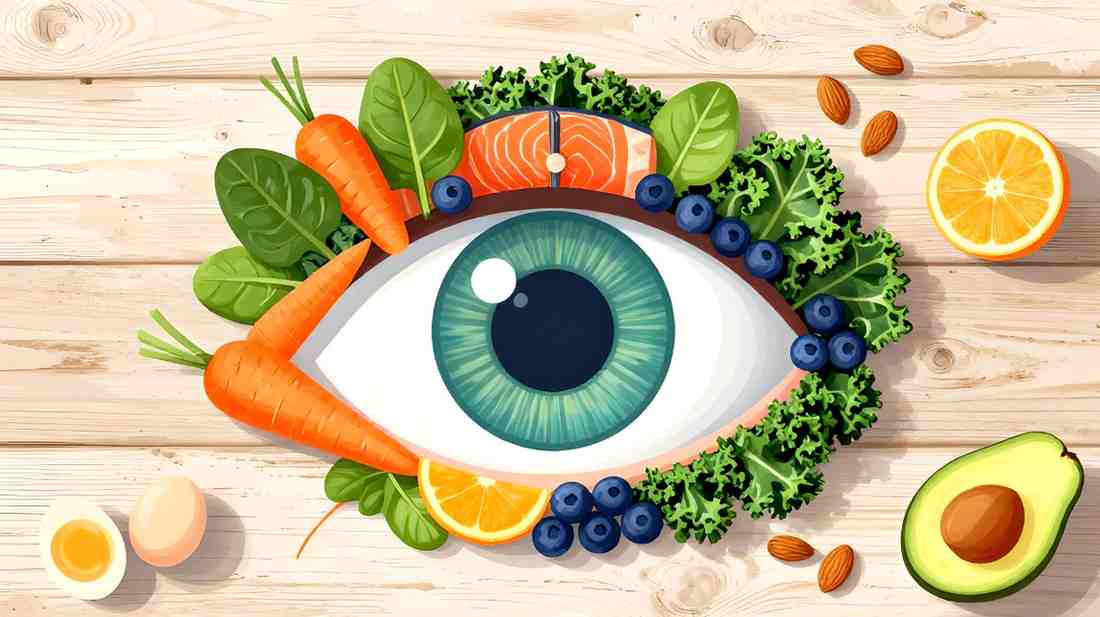
The best foods for eye health are sitting in your grocery store right now. Most people walk straight past them. Diet for eye health is one of the most underused tools for protecting your vision long term. Research confirms that nutrients like lutein and zeaxanthin, vitamin A, vitamin C, and omega-3 fatty acids play a direct role in maintaining eye health. They slow age-related vision decline. They reduce the risk of serious eye disease. And most people never pay attention to them until their vision starts to go.
The best foods for eye health include:
Spinach and leafy greens — rich in lutein and zeaxanthin
Carrots and sweet potatoes — high in vitamin A and beta-carotene
Salmon and fatty fish — packed with omega-3 fatty acids
Eggs — deliver lutein, zinc, and vitamin A together
Citrus fruits — excellent source of vitamin C
Nuts and seeds — good sources of vitamin E
Bell peppers — one of the best sources of vitamin C available
Blueberries — rich in antioxidants that support circulation
Avocados — support nutrient absorption and overall eye health
These foods work together. Each one targets a different part of your eye's nutritional needs.
Your eyes need a constant supply of vitamins, minerals, antioxidants, and healthy fats. Without the right food, you become more vulnerable to a wide range of eye conditions.
Poor nutrition and eye care neglect may increase the risk of:
Dry eye and chronic eye strain
Blurry or reduced night vision
Cataracts
Age-related macular degeneration (AMD)
Gradual vision loss over time
The retina, lens, and surrounding eye tissues are highly sensitive to oxidative stress. This damage is caused by aging, UV exposure, pollution, smoking, and screen time. Free radicals speed up this damage. That is where nutrition and eye health step in. Nutrient-rich foods neutralize free radicals, reduce inflammation, and support blood flow to the eyes. Good nutrition is one of the best ways to maintain eye health naturally as you age.
According to the American Academy of Ophthalmology, diet and lifestyle changes are among the most evidence-supported ways to reduce the risk of age-related eye disease. The National Eye Institute also confirms that specific nutrients directly lower the risk of AMD and cataracts in high-risk adults.
Before getting into specific foods, understand what your eyes actually need and why. These nutrients are not optional. They are the foundation of good vision.
Vitamin A is critical for clear vision, especially in low light. Your body makes it from beta-carotene found in orange and yellow vegetables. Low levels lead to night blindness, dry eyes, and corneal damage. Vitamin A from the liver is the most bioavailable form. But plant sources like carrots and sweet potatoes are excellent too.
These two antioxidants concentrate directly in the retina. They act as a natural filter against blue light and UV rays. These nutrients may also help people dealing with increased light sensitivity. They are among the most studied nutrients for reducing the risk of AMD and cataracts. The body cannot produce them on its own. They must come from food.
Omega-3 fatty acids support tear production and reduce dry eye symptoms. They fight inflammation throughout the eye. People who eat fatty fish two or more times per week have lower rates of dry eye disease. This is one of the most consistent findings in nutrition and eye health research.
Vitamin C is an important antioxidant that protects eye tissues from oxidative damage. High levels of vitamin C in the eye are associated with a lower risk of cataracts. Citrus fruits and bell peppers are among the best sources. Rich in vitamin C, these foods are easy to add to any meal.
Is vitamin E important for your eyes? Absolutely. It protects eye cells from free radical damage linked to aging. It plays a vital role in slowing AMD progression when combined with other antioxidants. Foods rich in vitamin E include nuts, seeds, and avocado.
Zinc helps transport vitamin A to the retina. It is essential for producing pigment in the eyes. It also supports night vision. A zinc deficiency is directly linked to poor night vision and a higher risk of AMD.
These are the foods most consistently backed by research. Eat these regularly and you are actively protecting your eyes against age-related damage, dry eye symptoms, and vision loss.
Carrots are rich in beta-carotene. Your body converts it into vitamin A. That keeps the retina working properly and supports sharp night vision. Carrots also help prevent dry eyes and protect the cornea.
Eat them raw as a snack. Toss them in salads. Blend them into soups. They are one of the easiest foods to work into your diet every day.
Spinach, kale, and collard greens are the best sources of lutein and zeaxanthin available. These antioxidants build up directly in the retina. They filter harmful light and protect against age-related eye damage.
Studies show that people who eat leafy greens regularly have a significantly lower risk of developing AMD. Cooking spinach slightly increases how much lutein your body absorbs. A quick sauté works just as well as eating it raw.
Leafy green vegetables are one of the most important food groups for supporting eye health over the long term.
Fatty fish are among the richest sources of omega-3 fatty acids. Omega-3s are especially important for people who spend long hours on screens. They maintain tear production and reduce dry eye symptoms. They also reduce inflammation in eye tissue.
Aim to eat fatty fish at least twice a week. Sardines and mackerel are more affordable options that deliver the same omega-3 benefits as salmon.
Egg yolks contain lutein, zeaxanthin, zinc, and vitamin A all in one food. That makes eggs one of the most nutrient-dense foods that contain everything your eyes need. The fat in the yolk helps your body absorb these fat-soluble nutrients more efficiently.
Pair eggs with spinach at breakfast. That combination covers several of the most important nutrients for optimal vision in a single meal.
Oranges, lemons, and grapefruit are an excellent source of vitamin C. This antioxidant supports healthy blood vessels in the eyes. It lowers the risk of cataracts. Studies show people with high levels of vitamin C in their diet have a significantly reduced risk of cataracts developing over time.
Eat whole fruit instead of juice. Juicing removes fibre and concentrates sugar, which works against some of the benefits.
Fruits and vegetables rich in vitamin C, especially citrus fruit and bell peppers are among the easiest foods to add to any daily diet for eye health.
Sweet potatoes are packed with beta-carotene and vitamin A. Both are critical for maintaining eye health and night vision. They also provide vitamin E, which helps protect eye cells from oxidative damage. One medium sweet potato delivers more than your full daily requirement of vitamin A.
Almonds, walnuts, chia seeds, sunflower seeds, and flaxseeds are good sources of vitamin E and healthy fats. These are also foods that contain plant-based omega-3 fatty acids walnuts and flaxseeds especially.
Sources of vitamin E like nuts and seeds help protect eye cells from age-related damage. They also support tear production. A small handful of mixed nuts daily is one of the simplest healthy habits you can build for your eyes.
Bell peppers, especially red ones, are among the best sources of vitamin C you can eat. Red peppers contain nearly three times more vitamin C than an orange. They are one of the best good sources of vitamin C for people who do not eat much citrus fruit. They also contain beta-carotene and other antioxidants that protect eye tissues from damage.
They are one of the most underrated foods for eye care and easy to add to almost any meal.
Blueberries are rich in anthocyanins. These antioxidants improve blood circulation to the eyes and reduce eye fatigue. They are one of the most antioxidant-dense foods available. Some studies also suggest anthocyanins support night vision.
Blueberries are one of the best foods to boost overall eye health in a simple daily snack.
Avocados contain lutein, vitamin E, and healthy fats. These fats help your body absorb fat-soluble nutrients like carotenoids from other foods. Adding avocado to a salad with spinach significantly increases how much lutein your body actually uses. They reduce inflammation and support overall eye health over time.
Just as the right food protects your vision, the wrong ones quietly work against it. You do not need to eliminate these entirely. But eating them often adds up.
Fried foods are packed with unhealthy fats, refined sugar, and sodium. These promote inflammation throughout the body, including in the eyes. Fried foods increase oxidative stress and may speed up age-related eye conditions over time.
High sugar intake raises your risk of type 2 diabetes. Diabetes can damage the blood vessels in the retina. That is called diabetic retinopathy. It is one of the leading causes of vision loss in working-age adults. Cutting back on sugar is one of the most direct ways to lower your long-term risk of developing eye conditions linked to health conditions like diabetes.
Heavy drinking interferes with the absorption of zinc and vitamin A. It also causes dehydration, which worsens dry eye symptoms. These are important nutrients your eyes depend on every day.
Nutrition and eye health work best together with consistent daily habits. These are the ones that make the biggest difference.
Stay Hydrated: Dehydration worsens dry eye symptoms fast. Water supports tear production and keeps the eye surface moist. Most people underestimate how much of their eye discomfort comes from simply not drinking enough water.
Wear UV-Protective Sunglasses: UV rays increase the risk of cataracts and retinal damage. Choose sunglasses labelled UV400 or 100% UVA and UVB protection. Protecting your eyes from UV exposure is one of the simplest forms of eye care you can practice every day.
Use the 20-20-20 Rule: Prolonged screen use causes digital eye strain — burning eyes, dryness, blurry vision, and headaches. Every 20 minutes, look at something 20 feet away for 20 seconds. It relaxes your eye muscles and cuts fatigue.
Get Regular Eye Exams: Many serious eye conditions develop without any symptoms early on. Regular eye exams allow your eye doctor to detect changes before they become a real problem. Adults should have a comprehensive eye exam at least every two years. After age 60, annually is the recommendation.
If your diet consistently falls short, targeted supplements may help fill the gaps. The AREDS2 formula developed through clinical trials funded by the National Eye Institute contains vitamin C, vitamin E, zinc, lutein, and zeaxanthin. It has been shown to reduce the progression of intermediate AMD by about 25 percent. That is a significant finding for anyone at risk of age-related eye conditions.
That said, whole foods should always be your primary source of these nutrients. Supplements for eye health are a backup. They are not a substitute for a healthy diet.
Key supplements worth discussing with your eye doctor:
Lutein and zeaxanthin
Omega-3 fatty acids (fish oil)
Vitamin C and vitamin E
Zinc
Vitamin A (beta-carotene)
This is an example of a full day of eating that covers every major nutrient your eyes need. It is also a practical way to work these foods into your diet without overthinking it.
Breakfast: Scrambled eggs with spinach, whole-grain toast, and fresh orange slices. This combination covers lutein, zeaxanthin, vitamin A, and vitamin C before your day has even started.
Lunch: Grilled salmon salad with avocado, red bell pepper, and kale. Add a squeeze of lemon for extra vitamin C. This is one of the most complete meals for supporting eye health in a single sitting.
Snack: A handful of almonds and a cup of blueberries. Simple. Effective. Rich in vitamin E and antioxidants.
Dinner: Baked sweet potato, steamed kale with garlic, and grilled salmon or mackerel. This dinner alone delivers lutein, zeaxanthin, omega-3s, vitamin A, vitamin C, vitamin E, and zinc. Every major nutrient your eyes depend on.
Food cannot reverse a refractive error or undo advanced eye disease. That is what glasses, contact lenses, and medical treatment are for. But a healthy diet can genuinely protect against vision loss. It slows age-related decline. It reduces the risk of developing serious eye conditions in the first place.
What a nutrient-rich diet does for your eyes:
Protects the retina from oxidative stress and free radical damage
Supports tear production and reduces dry eye symptoms
Reduces the risk of AMD and cataracts
Improves blood circulation to eye tissues
Slows age-related vision decline
These are not small benefits. They are the difference between maintaining good vision into your later years or dealing with preventable age-related eye conditions that limit your life.
Consistency is what makes this work. No single superfood fixes your eyes. A healthy diet that includes leafy greens, fatty fish, colorful vegetables, and healthy fats most days of the week — that builds up over time and delivers real results.
• Spinach / Kale — Lutein, Zeaxanthin — Retina protection and reduced AMD risk — Daily
• Carrots — Vitamin A — Supports night vision and cornea health — Daily
• Salmon / Sardines — Omega-3 fatty acids — Helps dry eyes and supports retina health — 2x per week
• Eggs — Lutein, Zinc, Vitamin A — Supports retina function and blue light protection — Daily
• Citrus Fruits — Vitamin C — Helps reduce cataract risk — Daily
• Sweet Potatoes — Beta-carotene, Vitamin E — Supports night vision and antioxidant defense — Several times per week
• Nuts and Seeds — Vitamin E, Omega-3 — Protects eye cells and supports tear production — Daily
• Bell Peppers — Vitamin C, Beta-carotene — Supports healthy eye blood vessels — Several times per week
• Blueberries — Anthocyanins — Supports circulation and reduces eye fatigue — Daily
• Avocados — Lutein, Vitamin E, Healthy fats — Improves nutrient absorption and overall eye health — Several times per week
Your eyes are under constant attack from oxidative stress, UV damage, inflammation, and aging. Every year that passes without the right nutrition is a year of preventable damage building up quietly. A healthy diet is the most direct way to protect your eyes and support eye health for the long term. Eating the right foods is also one of the most straightforward things you can do to stay healthy for your eyes overall. The best foods for eye health are not expensive. They are not complicated. You already know what they are. Leafy greens, fatty fish, eggs, citrus, nuts, colorful vegetables, these are your most practical and affordable defense against serious eye disease. Including these foods into your diet improves your overall health, not just your vision. Add two or three of these foods to your meals this week. Book your next regular eye exam if you have been putting it off. Your future vision depends on decisions you make right now.
Spinach comes closest. It is packed with lutein and zeaxanthin — the two antioxidants most directly linked to retina protection and lower risk of age-related macular degeneration. No single food does everything, but spinach covers more ground than almost anything else.
Food cannot fix a refractive error or reverse advanced eye disease. But the right diet slows age-related vision decline, reduces dry eye symptoms, and lowers your risk of cataracts and AMD. Think of it as long-term protection, not instant correction.
Eating fatty fish — salmon, sardines, or mackerel — at least twice a week makes a real difference for dry eye symptoms. If you do not eat fish, a fish oil supplement of around 1,000–2,000mg daily is worth discussing with your eye doctor.
Not always. A diet rich in leafy greens, fatty fish, eggs, and citrus covers most of what your eyes need. Supplements matter most if your diet is consistently poor or if you have intermediate AMD — where AREDS2 has been shown to reduce progression by 25 percent.
Eye nutrition works over months and years, not days. Consistent daily intake of lutein, zeaxanthin, vitamin C, vitamin E, and omega-3s builds protective levels in eye tissue gradually. Start early. The longer you eat well for your eyes, the greater the benefit.
Fried foods, high-sugar foods, and excess alcohol are the biggest dietary risks for your eyes. Fried foods increase oxidative stress. Sugar raises your risk of diabetic retinopathy. Alcohol depletes zinc and vitamin A. Cutting back on all three directly reduces your long-term risk of serious eye disease.
This article was reviewed for accuracy against current nutritional research, including guidance from the American Academy of Ophthalmology and the National Eye Institute. All nutritional recommendations are based on published peer-reviewed studies, including the AREDS2 clinical trial findings. Always consult a registered dietitian or ophthalmologist before making significant changes to your diet, particularly if you have an existing eye condition or are considering supplements for eye health.