Can You Use Expired Eye Drops? Here's the Truth

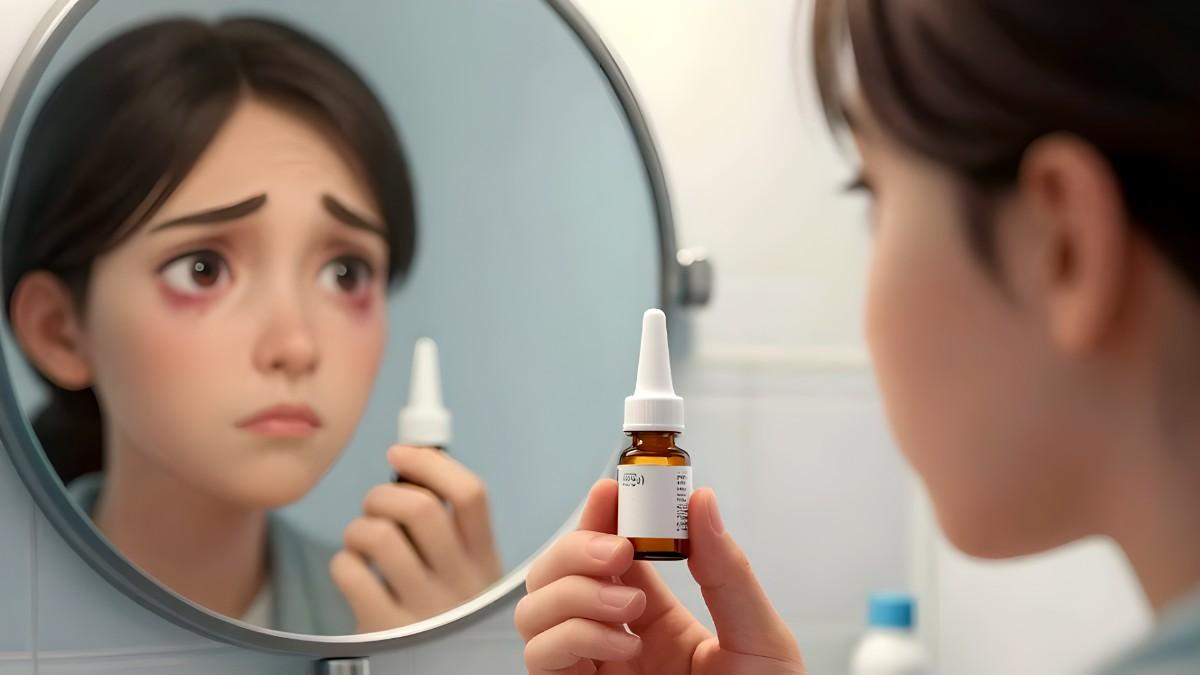
You're standing in the bathroom with irritated, dry eyes. You reach into the medicine cabinet and find a bottle of eye drops, but the expiration date passed months ago. Maybe longer. Your eyes are itchy, you're exhausted, and tossing it feels wasteful. The real question: is it actually safe to use expired eye drops, or is that date there for a serious reason?

Can You Use Expired Eye Drops


The honest answer is nuanced. Whether it's ok to use eye drops past their expiration date depends on the type of drops, how you've stored the bottle, and how far past the date you are. This article breaks it all down so you can make an informed decision, not a rushed one you might regret.

What Does an Expiration Date on Eye Drops Actually Mean?

Before anything else, it helps to understand what that date is telling you.

Expiration dates on medications, including eye drops are set by manufacturers based on stability testing. They indicate the period during which the product is guaranteed to be both safe and effective at its stated concentration, assuming it's been stored correctly.

Once that date passes, the manufacturer can no longer guarantee either of those things. That doesn't automatically mean the product turns toxic at midnight on the expiration date. But it does mean the chemical composition of the solution is no longer predictable.

Eye drops are especially sensitive products. Unlike a pill you swallow, eye drops go directly onto the surface of one of your most delicate organs. The eye has almost no barrier protection, it absorbs whatever you put on it almost immediately. Eye drops are also designed to be sterile, and that sterility becomes harder to guarantee once a product is past its expiration date. That's what makes expired drops a more serious consideration than, say, an expired multivitamin.

Can you use expired eye drops? In most cases, you should not. Once eye drops expire, the active ingredients may degrade, preservatives can break down, and the risk of contamination rises. Artificial tears slightly past their date carry lower risk if stored properly and show no visible changes. Antibiotic drops, prescription eye drops, and any bottle showing cloudiness or particles should be discarded immediately.

Why Eye Drops Expire: The Science of What Happens Inside the Bottle?

Eye drops contain active ingredients in eye drops that break down over time through a process called chemical degradation. Depending on the type of drop, this can mean:

Reduced potency — The active ingredient weakens, so the drops simply don't work as well and become less effective at managing your eye care needs.
pH changes — The acidity or alkalinity shifts, which can cause stinging, irritation, or even corneal damage.
Preservative breakdown — Most multi-dose eye drops contain preservatives to prevent bacterial growth. When preservatives in eye drops degrade, the solution is no longer protected, contamination becomes a real risk.
Crystallization or precipitation — Some ingredients can form particles over time, which can scratch the surface of the eye.

The moment you open a bottle, a second clock starts ticking. Exposure to air, light, and the bacteria naturally present around your eyes begins to alter the solution from day one. Eye drop bottles, particularly the dropper tip are common entry points for contamination. This is why many eye drops carry a "use within 28 days of opening" instruction, separate from the printed expiration date.

Types of Eye Drops and Their Expiration Risks

Not all eye drops carry the same level of risk once expired. Here's how each category stacks up.

Artificial Tears and Drops for Dry Eye

These are the most commonly used over-the-counter drops and generally the lowest risk when slightly expired. They contain lubricating agents like sodium hyaluronate, carboxymethylcellulose, or polyethylene glycol and are the go-to solution for dry eye syndrome.

That said, "lower risk" doesn't mean "no risk." Eye drops that contain preservatives and most multi-dose bottles lose that protection as the preservatives degrade. An expired bottle of artificial tears could allow bacterial contamination that causes a serious eye infection, especially if you have an existing eye condition that makes your eyes more vulnerable.

Preservative-free eye drops are a different story. Drops that come in single-use vials are sealed individually, so there's no ongoing contamination risk before opening. However, the lubricating agents themselves can still degrade, making them less effective over time.

Antibiotic Eye Drops and Pink Eye Treatment

This is where expiration becomes genuinely serious. Antibiotic drops most commonly prescribed for pink eye (bacterial conjunctivitis) and other infections can lose potency after their expiration date. Using expired antibiotic eye drops doesn't just mean your infection might not clear up; it can lead to inadequately treated infections and contribute to antibiotic resistance, where bacteria learn to survive exposure to the drug.

If you have an active eye infection, using expired antibiotic drops is one of the worst things you can do. You need full-strength medication, freshly prescribed, and used for the full recommended course. Contact your eye doctor rather than reaching for an old bottle.

Antihistamine and Decongestant Eye Drops

These drops treat allergic reactions and redness. Over time, the antihistamine compounds degrade and may not effectively control your symptoms. Some decongestant drops, particularly those containing tetrahydrozoline can cause rebound redness even when fresh. Expired versions add unpredictability to an already complicated picture, and the potential risk to your eye health isn't worth it.

Prescription Eye Drops for Glaucoma and Other Eye Conditions

Prescription eye drops are often the most sensitive to degradation. Glaucoma medications like prostaglandin analogs and beta-blockers require precise dosing to manage intraocular pressure. Even a small reduction in potency from degraded active ingredients can mean inadequate pressure control. Which, over time, can lead to irreversible vision damage. If you have a serious eye condition managed by prescription drops, never compromise on freshness.

Steroid eye drops are similarly high-stakes. Expired steroids may not effectively control inflammation, and degraded compounds can cause unexpected reactions. The potential risk here far outweighs any convenience.

Don't use eye drops that are prescription-strength past their expiration date. The stakes are too high.

Contact Lens Rewetting Drops

Drops designed for longer use with contact lenses are generally lower risk when slightly expired, but should not be used if the solution appears cloudy, discolored, or shows any visible particles.

Warning Signs That Eye Drops Have Gone Bad

Expiration date aside, there are physical signs that indicate contaminated eye drops. And you should discard them immediately, regardless of the printed date:

Cloudiness or discoloration — Fresh eye drops should be crystal clear (unless they're a labeled suspension). Any haziness is a red flag.
Visible particles — Sediment or floaters in the solution mean something has broken down or the bottle has become contaminated.
Change in smell — Eye drops don't have a strong odor. Any unusual smell signals degradation or contamination.
Stinging or burning upon application — Some mild sensation is normal, but significant burning that wasn't there before may indicate pH changes in the solution.
Sticky or crusty dropper tip — Crusting around the dropper tip is a clear sign of contamination. Never share eye drops with others, as sharing eye drop bottles is one of the fastest ways to transfer bacteria between users.

If you notice any of these signs, discard the drops immediately.

What Happens If You Use Expired Eye Drops?

The outcomes range from nothing noticeable to genuinely harmful, depending on how far past expiration the drops are and what type they are.

Best case: The drops are simply less effective. Your dry eyes stay dry, your redness persists, or your allergy symptoms aren't fully controlled. Frustrating, but not dangerous.

Moderate risk: The drops cause irritation, burning, or increased redness due to pH changes or degraded preservatives. Your eyes end up worse than before. Persistent burning eyes may also point to underlying dryness or irritation.

Worst case: Contaminated eye drops introduce bacteria directly onto the surface of your eye, causing a serious infection like bacterial keratitis. This is an infection of the cornea that, if left untreated, can cause permanent vision loss. The cornea has no blood supply of its own, which makes infections there harder for your immune system to fight and faster to escalate. Developing an eye infection from contaminated drops is a medical emergency, not a minor inconvenience.

How to Keep Your Eye Drops Safe and Effective for Longer?

Proper storage won't extend a product past its expiration date, but poor storage will make drops go bad well before that date.

Keep them at room temperature. Most eye drops should be stored between 59°F and 77°F (15°C–25°C). Some prescription drops need refrigeration, so always check the label.

Avoid humidity and direct light. The bathroom cabinet feels convenient, but humidity from showers degrades medications faster. A bedroom drawer away from direct sunlight is better for keeping your eye drops stable.

Never touch the dropper tip to any surface. Touching the dropper tip to your eye, your fingers, or any surface introduces bacteria directly into the bottle. Eye drop bottles are designed to be sterile; one slip compromises that entirely.

Replace the cap immediately after use. Exposure to air speeds up chemical degradation and increases the risk of contamination.

Write the opening date on the bottle. Many drops have a 28-day use window after opening. This one habit can prevent you from using drops that are past their safe window even if the printed expiration date hasn't arrived.

When to Schedule an Appointment with Your Eye Doctor

Eye drops, even fresh ones are not a substitute for professional care when symptoms warrant it. Contact your eye doctor or schedule an appointment if:

Your eye pain is moderate to severe
You have significant vision changes
Your eyes are producing yellow or green discharge
Redness, swelling, or light sensitivity has persisted for more than 48–72 hours
You've had recent eye surgery or trauma
Your symptoms are getting worse despite treatment
You have a pre-existing eye condition being managed with prescription drops

Eye infections can deteriorate quickly. What starts as mild irritation can progress to something serious within 24–48 hours. If there's any doubt about your eye health, a same-day visit to an eye care professional is worth it.

Should You Use Expired Eye Drops? A Quick Decision Guide

Artificial tears, expired by a few weeks, stored properly, no visible changes has low risk and may use with caution
Drops for dry eye syndrome, expired by months or more can be discarded
Using expired antibiotic eye drops for pink eye or infection should not be used. Consult a doctor instead
Prescription eye drops of any kind should not be used if expired
Any drops with visible cloudiness, particles, or unusual smell should be discarded immediately, regardless of date
Unopened eye drops in single-use vials, slightly expired - Consult a pharmacist
Active eye infection or worsening eye condition is advised to contact your eye doctor immediately

If you are not sure, throw it away. New eye drops are cheap. Eye infections can cost more money and may hurt your eyes

A Note on Preservative-Free Drops and Chronic Dry Eye

If you use eye drops frequently, especially for dry eye syndrome consider switching to preservative-free drops. These typically come in single-use vials. Eliminate the concern of preservative breakdown, and remove the contamination risk entirely. Along with using safer eye drops, daily habits also play an important role in helping you maintain eye health naturally.

According to the American Academy of Ophthalmology, patients using drops more than four times daily should strongly consider preservative-free formulations, as long-term exposure to preservatives like benzalkonium chloride can cause irritation and worsen the very symptoms they're meant to treat. They cost more per dose, but for anyone with ongoing eye care needs, they're the safer long-term choice.

How to Dispose of Expired Eye Drops Responsibly

Once you've decided to discard an expired product, do it responsibly. Don't pour the liquid down the drain or flush it. Pharmaceutical compounds in water supplies are an environmental concern.

The best option is a medication take-back program. Many pharmacies and community health centers offer drop-off points for unused or expired medication. The FDA maintains information on mail-back programs if local options aren't available.

If a take-back program isn't accessible, the FDA recommends mixing the liquid with an undesirable substance like coffee grounds or dirt sealing it in a bag, and placing it in the household trash. Never leave old eye drop bottles where children or pets can access them.

Final Thoughts

Expired eye drops may seem harmless sitting at the back of your medicine cabinet, but they're not a gamble worth taking. Not with something as irreplaceable as your eyesight. For lubricating drops slightly past their date with no visible changes, the risk is low. For antibiotic drops, prescription medications, or anything that looks, smells, or feels off, there is no scenario where using them makes sense.

Check the expiration date. Check the dropper tip. If anything looks wrong, dispose of the bottle and get a fresh one. And if your eye health concerns go beyond what drops can fix — schedule an appointment with an eye care professional today. Don't wait until a minor irritation becomes something harder to treat.

Frequently Asked Questions

Burning eyes are usually a sign of surface-level irritation — dry eye, allergies, or eyelid inflammation rather than a deep structural problem. That said, what burning eyes could mean depends heavily on the accompanying symptoms. If the burning comes with vision changes, heavy discharge, or significant pain, it can signal a more serious eye problem that needs prompt attention from an eye care professional. On its own, occasional burning is rarely alarming. Persistent burning is worth investigating.

The most common causes and home remedies go hand in hand. Burning eyes can be caused by dry eye syndrome, allergies, digital eye strain, smoke, chlorine, and eyelid conditions like blepharitis. For each of these, effective home remedies exist like lubricating eye drops for dryness, antihistamine drops for allergies, warm compresses for eyelid inflammation, and the 20-20-20 rule for screen fatigue. Matching the remedy to the correct cause is what makes the difference between fast relief and ongoing frustration.

Yes, this is one of the most common way people accidentally make irritated eyes worse. Touching your eyes or face transfers bacteria, allergens, and environmental irritants directly onto the eye surface. That contact can cause inflammation, introduce infection, and turn mild irritation into something more serious. If your eyes are already experiencing a burning or stinging feeling, keeping your hands away from your face is one of the simplest and most effective things you can do.

Dry eyes tend to occur more frequently in low-humidity environments because the tear film evaporates faster when the air is dry. Air-conditioned offices, heated indoor spaces, airplane cabins, and windy outdoor conditions all pull moisture from the eye surface faster than it can be replaced. This leads to a burning feeling that worsens as the day goes on. Using a humidifier indoors, staying hydrated, and using lubricating drops in these environments can make your eyes feel noticeably more comfortable.

When simple home care doesn't resolve the issue, it usually means either the wrong cause is being treated or the underlying eye condition is more complex than it appears. Persistent burning eyes can be caused by chronic dry eye disease, ocular rosacea, blepharitis, or autoimmune conditions like Sjögren's syndrome — none of which fully respond to over-the-counter drops alone. Stinging or burning that comes back repeatedly, or that seems to lead to burning eyes in multiple different settings, is a clear signal to get a proper eye exam and diagnosis.

Absolutely. Several ordinary habits can lead to a burning sensation building up gradually. Staring at screens without breaks reduces blink rate, which lets tears evaporate too quickly. Not replacing contact lenses on schedule allows deposits to accumulate and irritate the eye surface. Skipping sunglasses outdoors exposes your eyes to UV rays and wind that make your eyes feel raw by the end of the day. Even sleeping in a room with a fan blowing directly toward your face can create enough airflow to dry out your eyes overnight. Small habit changes often produce a bigger improvement than any single eye drop or treatment.

This article is for informational purposes only and does not constitute medical advice. If you have concerns about your eye health or any medication, consult a qualified healthcare professional.

© Copyright 2026 iGenics®. All Rights Reserved.