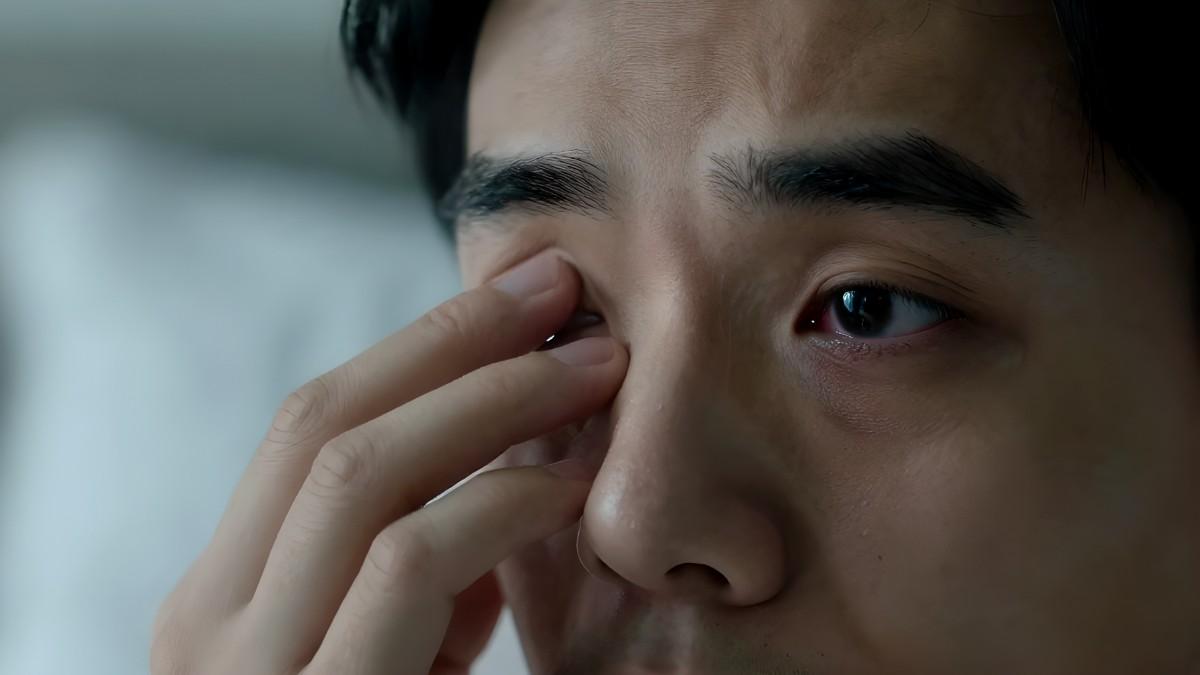
Blurry vision in one eye after waking up can feel unsettling. One eye looks cloudy, while the other seems perfectly fine. This type of blurry vision in the morning often happens without warning, and for a moment, it can make you wonder if something is wrong. Many people wake up with blurry vision at some point.
In most cases, this is temporary and harmless. The blur usually clears within a few minutes as your eyes adjust upon waking. Still, when it keeps happening or lasts longer than expected, it is worth understanding what might be causing it, since different causes of blurred vision can lead to different outcomes.
If blurry vision in one eye appears suddenly, worsens quickly, or is accompanied by flashes or floaters, it may be linked to more serious causes of sudden blurry vision that require immediate medical attention.
Why Is Blurry Vision in One Eye After Waking Up?
This issue usually happens when the tear layer becomes uneven overnight. This can make one eye appear blurry due to dryness, pressure, or irritation during sleep. In some cases, the blur affects only one eye. In most cases, blinking or washing your eyes clears the blur within minutes. If it lasts longer than expected, it may require further evaluation.
Your eyes may work together, but they are not identical. One underlying eye condition may affect one side more than the other. This is why one eye may sometimes be affected more than the other. While you rest, your eyes rely on a thin tear layer to stay smooth and clear. If this layer becomes uneven, your vision may appear unclear or show slight blurriness or even distorted vision in that eye.
Can Dry Eyes Cause Blurry Vision After Waking Up?
Dry eyes are one of the most frequent reasons this happens.
During sleep, your body produces fewer tears. If one eye becomes slightly drier than the other, it can cause blurry vision and discomfort. This is commonly associated with dry eye syndrome.
You may experience blurry vision that improves after blinking a few times. This happens because blinking spreads fresh tears across the surface of your eye.
Sleeping under a fan or air conditioner can worsen dryness and increase morning blurriness.
Sleeping Position and Pressure on One Eye
Your sleeping position plays a bigger role than you might think.
If you sleep on your side, one eye may press gently against your pillow. This pressure can affect tear flow or temporarily change the shape of the lens of the eye.
As a result, that eye may appear unclear when you wake up. Once you move around and blink normally, the pressure fades and your vision gradually improves.
Eye Discharge and Surface Buildup
While you sleep, your eyes clean themselves. They remove dust, oil, and small particles.
Sometimes this leaves a thin layer on the surface. When you wake up, this can create cloudy vision, hazy vision, or mild blurred vision in one eye.
Blinking or washing your face usually clears this quickly.
Dehydration and Eye Health
Your eyes depend on proper hydration.
If your body is low on water, your tear quality drops. This can reduce visual clarity and affect overall eye comfort.
Over time, poor hydration may impact vision and contribute to ongoing symptoms.
Screen Time Before Bed and Eye Strain
Using your phone or laptop late at night can cause eye strain.
When you look at screens, your blink rate drops. This dries your eyes and may lead to this problem in the morning.
If one eye is more sensitive, symptoms may appear stronger on that side.
Contact Lenses and Eye Irritation
Contact lenses can contribute to this issue.
Wearing lenses for long hours can dry out your eyes and increase irritation or discomfort.
Sleeping with lenses increases risk and should be avoided to protect your eyes.
When Blurry Vision After Waking Is Not Normal
While most cases are harmless, some warning signs should not be ignored.
If your vision stays unclear for a long time, it may indicate a deeper eye disease or other vision problems.
Pain, redness, or swelling may signal infection, eye allergies, or pink eye.
Sudden blurred vision, double vision, or sudden vision change can be serious and may require immediate medical attention.
Serious Eye Conditions Linked to Blurry Vision
Some cases may involve more serious issues.
Glaucoma can damage the optic nerve and lead to vision loss
Cataract can cloud the lens and may require cataract surgery
Macular degeneration affects central vision
Retinal detachment happens when the retina pulls away, which is a medical emergency
Problems in the retinal layer can reduce peripheral vision
You may also notice flashes of light, which are often associated with blurry vision and require attention.
If untreated, these conditions can lead to permanent vision loss.
Medical Causes and Vision Problems
Some conditions affect deeper structures of the eye.
Blood sugar issues can cause temporary vision change and blur.
Other problems may involve the retina, optic nerve, or internal eye pressure. These issues can all affect how clearly you see.
A proper diagnosis requires a comprehensive eye exam or an eye exam to determine the underlying issue. Experts like the National Eye Institute recommend early diagnosis to prevent complications.
How to Fix Blurry Vision After Waking Up
In most cases, simple steps help.
Blinking spreads moisture and improves clarity. Washing your eyes removes buildup.
Using eye drops can help with dryness. Staying hydrated improves tear quality.
These steps help restore moisture and support better eye comfort.
How Long Does It Last?
Most cases clear within minutes.
If the blur lasts longer than 20–30 minutes, it may signal a deeper issue.
Some conditions may gradually worsen if left untreated.
When to See an Eye Doctor
If symptoms persist, you should see an eye doctor.
A proper eye exam can identify the exact cause of blurry vision.
Seek immediate medical help if you notice:
It is always safer to schedule an eye exam early to avoid complications. An eye surgeon may be needed in advanced cases.
Daily Habits to Protect Your Eyes
Simple habits make a big difference.
Stay hydrated. Reduce screen time. Keep your eyes clean.
Regular eye exams and good eye care help maintain long-term eye health and prevent issues before they start.
One eye may be drier or more irritated than the other during sleep. Tear production drops overnight, and if one eye is more exposed to air or pressure from your sleeping position, it can dry out faster. This creates a thin, uneven tear layer, which makes vision in that eye appear blurry when you wake up. In most cases, blinking or washing your eyes restores moisture and clears the vision within a few minutes.
Yes, it is usually normal if it clears within a few minutes after blinking. It is often caused by dryness or sleep position. If it lasts longer or happens often, get it checked.
Blinking spreads a fresh layer of tears across the eye surface. This smooths the tear film, removes debris, and restores clear vision quickly, especially after dryness or irritation during sleep.
Yes, dehydration can reduce tear production and dry out the eye. This may cause temporary blurry vision, especially in one eye, which usually improves after hydration and blinking.
You usually don’t need to worry if it clears quickly. But if it lasts long, happens often, or includes pain or vision changes, you should see an eye doctor.
Blurry vision in one eye after waking up is usually your body signaling dryness, strain, or minor irritation. Ignore it once, and it may pass. Ignore it repeatedly, and you risk missing something bigger. Fix your habits, watch your symptoms, and if it does not improve, get your eyes checked.